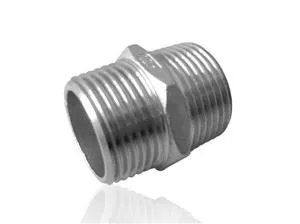

For European and American clients demanding high performance, durability, and compliance in industrial and commercial applications, selecting the right material is paramount. This technical analysis provides a comprehensive comparison between Stainless Steel (e.g., Grade 304/316) and Brass (e.g., Grade H62/C38500) castings.

I. Raw Material Cost Comparison
While raw material prices fluctuate, stainless steel generally has a higher initial cost than brass.
Brass: The price is more stable and generally lower. Its main components (Copper and Zinc) are abundant, and the production process is mature and less complex.Brass is an alloy made up of a mixture of elements like copper and zinc. Manufacturers use brass ingot or virgin brass for building the faucet body. This kind of brass is the purest form of brass that consists of about 60% Of Copper, 30% of Zinc and 10% of Other Metals to increase malleability.
Stainless Steel: The price is typically higher due to the inclusion of expensive alloying elements like Nickel and Chromium, which impart superior corrosion resistance and strength. Furthermore, the specialized manufacturing processes required to achieve its structural integrity contribute to the increased cost. i.e., the AISI 304-Grade Stainless steel is built has a good composition as it contains 18% chromium and about 8% Nickle which is known to lessen the effects of rusting and corrosion.
|
Material |
Cost Indicator (Relative) |
Key Price Drivers |
|
Brass |
↓ $ Lower |
Abundant raw materials (Cu, Zn), simple processing. |
|
Stainless Steel |
↑ $ Higher |
Inclusion of expensive alloys (Ni, Cr, Mo), complex, high-temperature processing. |

II. Material Performance Differences
The most critical distinctions for industrial applications lie in the core properties of the materials.
1. Mechanical and Physical Properties
Stainless steel significantly outperforms brass in demanding applications requiring high strength and stability.

2. Corrosion Resistance
This is the primary advantage of stainless steel, especially in challenging environments.
Stainless Steel: Exhibits excellent corrosion resistance due to the formation of a self-repairing, passive chromium oxide film on its surface.
304: Good in general corrosive media.
316: Superior for marine and harsh chemical environments due to Molybdenum (Mo) content, providing resistance against chlorides (pitting/crevice corrosion).
Brass: Offers limited corrosion resistance. It is susceptible to dezincification (leaching of zinc) in certain water conditions and is prone to stress corrosion cracking. It also tarnishes/patinas (forms copper green) when exposed to air and moisture, impacting aesthetics and performance over time.
3. Temperature Adaptability
Stainless Steel: Exceptional thermal stability, stable in a wide range from -200℃ to $800℃. Essential for high-pressure steam, cryogenic, or extreme temperature processing.
Brass: Low melting point; operating temperature is generally limited to below $200℃. It is unsuitable for high-temperature service as it loses strength and can deform.
III. Processing and Manufacturing Considerations
|
Aspect |
Stainless Steel Casting |
Brass Casting |
|
Casting Process |
Requires Investment Casting (Lost Wax) or Centrifugal Casting due to high melting point (>1400℃) and susceptibility to shrinkage/hot cracking. Process is complex and requires tighter control. |
Excellent castability (high fluidity, low shrinkage). Can use simpler Sand Casting or Pressure Die Casting. |
|
Machinability |
Difficult: Prone to work hardening, low thermal conductivity, high strength. Requires carbide tooling, lower speeds, and extensive cooling. |
Excellent: Known for superior machinability (especially leaded brass). Allows for high-speed, high-volume production with low tool wear. |
IV. Application and Usage Distinction
|
Category |
Stainless Steel Castings |
Brass Castings |
|
Primary Markets |
Chemical Processing: Valves, Pumps, Reactor Components |
Plumbing/HVAC: Fittings, Low-pressure Valves, Faucets |
|
Food & Beverage: Mixers, Sanitary Fittings |
Decorative/Architectural: Handles, Lighting Fixtures |
|
|
Marine/Offshore: Ship Fittings, Platform Equipment |
Electrical: Conductive Connectors, Terminals |
|
|
Medical/Pharmaceutical: High-Purity Equipment |
General Industry: Low-stress components, Instrumentation |
|
|
Service Environment |
Corrosive (Acids, Chlorides), High Temp/Pressure, Hygienic. |
Ambient conditions, Low Pressure/Temperature, Non-corrosive. |
|
Market Relevance |
Essential for compliance in high-specification EU/US markets (e.g., FDA, ASME standards). |
Primarily for decorative, light-duty, or cost-sensitive non-critical applications. |
⭐ Conclusion: Core Advantages of Stainless Steel Castings
For European and American clients, where product longevity, performance reliability, and strict compliance are key purchasing factors, stainless Steel is the superior and often necessary choice.
As a specialized stainless steel manufacturer, we highlight the following decisive advantages for your critical applications:
Unmatched Corrosion Resistance: Stainless steel, particularly Grade 316, ensures long-term integrity in harsh chemical, offshore, or coastal environments, significantly extending service life beyond brass. This is critical for reducing warranty claims and maintenance costs.
Superior Mechanical Integrity: With $2\times$ the tensile strength and significantly higher hardness, stainless steel is the only viable option for high-pressure, high-load, and high-wear applications (e.g., high-pressure valves, pump impellers).
High-Temperature Stability: Its high melting point and thermal stability ensure reliable performance in extreme temperature swings and high-pressure steam systems where brass would fail or deform.
Hygienic and Regulatory Compliance: Stainless steel meets stringent food-grade, medical, and water-contact standards (e.g., NSF/ANSI 61, FDA compliance) due to its non-porous, easy-to-clean surface, making it the standard material for sanitary applications.
Lower Total Cost of Ownership (TCO): Although the initial cost is higher, the extended lifespan, minimal maintenance requirements, and avoidance of catastrophic failure in corrosive environments result in a significantly lower TCO over a 10-20 year period compared to materials like brass.
Recommendation: While brass is suitable for decorative, low-pressure, and non-corrosive indoor fittings, Stainless Steel Castings are the optimal choice for all critical, demanding, and high-value applications requiring maximum strength, compliance, and longevity in the European and American industrial and commercial sectors.
We could provide stainless steel threaded fittings, ball valves (1PC, 2PC, 3PC), check valves, Y-strainers, unions (SMS, DIN, IDF), flanges, quick couplings, sanitary fittings and other customized products.
CHOOSING WIN-VIET IS BOUND TO WIN-WIN!